Subjectivity of titles
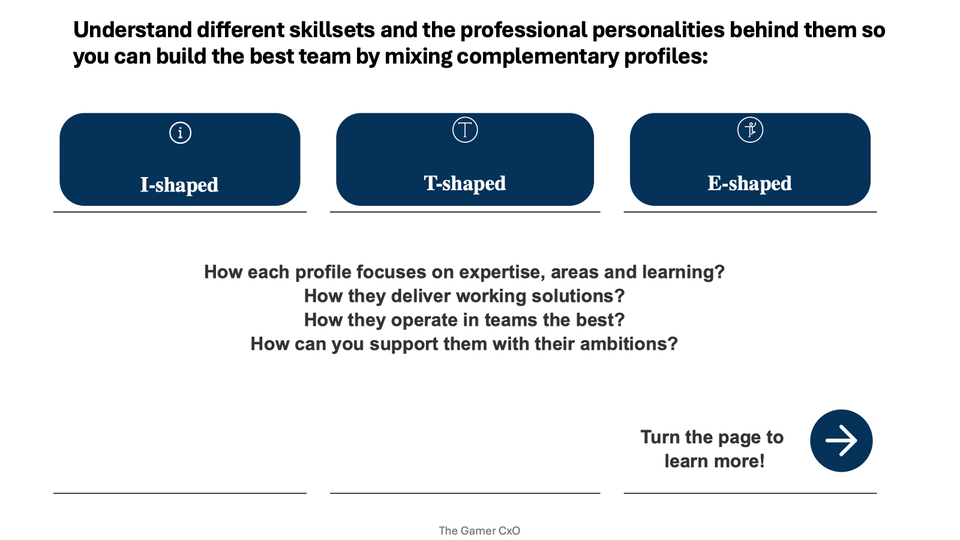
Junior, senior, staff, principal engineers. Have you ever thought into how these are defined?

Junior, senior, staff, principal engineers. Have you ever thought into how these are defined?
Where really is the difference between senior and junior layed down? How is it that senior and senior has a strong difference too?
It comes from the complexity of software engineering and the wish to simplify. A senior with a set of skills around backend coding may be considered a junior for frontend tasks. It may not be the correct approach.
Once I heard, if you are a professional in any job, you can hardly be a green, a really newby in other jobs. May not be true entirely, at the core it rings right: do you remember your first job? And the second? How easier the second was to get in?
Think about it. If you ever experienced the stress of performance expectations, you now consider it. Every experience builds character. Your character does not restart between jobs. Neither between title changes. So what happened from junior to senior?
Role change. Increase in responsibility. Not in skill or person. You demonstrated in some ways thst you can handle more.
It may have been through your backend coding skills. But those are not the main value creators. It is the fact you learned and applied them how it mattered. And it got noticed.
A team was unlocked and delivered above their individual skills thanks to you? May have demonstrated leadership. And so on to higher impact responsibilities.
The title is afterward just that, a title, with assumptions how the person operates and how deep his skills are. But does not define you, nor your character, nor what you are capable of.
I tend to think of myself in more detailed categories. A group of acts, constitutes a skill. Like writing. Or C#, Javascript. Web servers is another one. Music, math, logic, planning, etc.
And inside of that, I really like the common definitions:
- Unacquired: no concepts of the skill at all.
- Novice: high level understanding of major concepts, no practical application on your own yet.
- Beginner: first applications of the concepts, simple, practice tasks executed.
- Competent: able to derive conclusions and apply second order thinking, avoid basic mistakes or can correct them independently.
- Expert: foresees majority of problems and plans to avoid or mitigate, can reason with others in the field, can coach basics.
- Master: everything so far plus able to derive new concepts and solutions, translate for and teach those not familiar with the skill.
More like a role playing game’s mastery system. Dragons and shouting, anyone? I think that series nailed it.
These above may not be the common accepted definitions. These are my learned ones, derived for myself. Over years of managing and coaching people.
Just another example how “objective” words could mean something else for someone else. Ask your leader how they look at skills of their people.
I am sure you will learn something important for your career progression.
How you look at skills progressions? What is your startegy to always improve?