Tiredness and the death of creative thinking
We hear a lot about how long hours some work. Some jobs are indeed grueling and outcome has linear connection to time input. Creative jobs defy that logic.

We hear a lot about how long hours some work. Some jobs are indeed grueling and outcome has linear connection to time input. Creative jobs defy that logic.
The more hours you put into designing or writing that code, that user story, that architecture design, that slide deck, on the same day, your performance suffers anyway.
Some, but not most people, can focus for extended periods of time. Chances you are like me. I was never good at hackathons. My brain performance drops sharply after 6-7 hours of deep constructive work.
I mean the type of work where there is no template or tutorial to follow. There is no existing solution to apply. I have to make a new solution, based on my experience and skills.
New for me, by the way. If I have done very similar thing before, I have a mental template to call upon. I am not talking about those jobs now.
Over years of experiementation, and occasional night work to finish something on deadline and do deployment, I learned my performance pattern.
Things that take hours for me in the evening, would come to me in minutes by the early morning. After a good sleep.
And I got real cranky during nighttime, which additionally doesn’t help.
So I became an early bird. Most people I work with never complained about my non-responsivenes in the evenings. I always came forward, and many seen the value.
They rarely needed something in the evenings. But was always grateful they got it by their start of the day. Usually 3 hours after I started.
Power of flexibility. Everyone gets what really matters. It is not the hours. It is the quality and timeliness. Learn to work smarter, together.
Not harder, throwing time onto a problem where it is not a solution.
So many alternatives, to avoid unsustainable work hours:
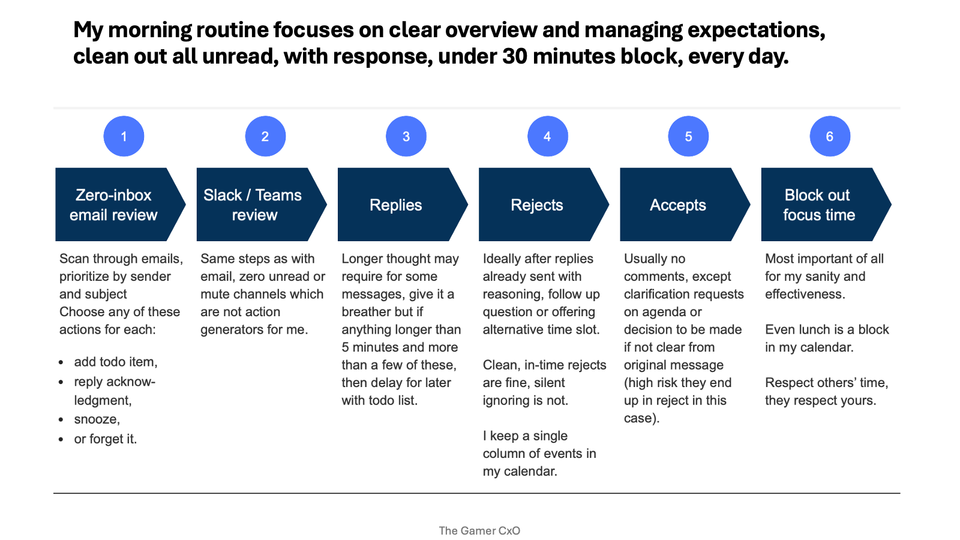
- Communicate: clearing expectations would reduce wasted time. Maybe a deadline misunderstanding, maybe a depth. It is not needed that deeply to check the analysis numbers, just to update input params.
- Anticipate: the structure of some meetings repetitive. Same stakeholders want answers to same questions again. But with updates. Run a daily notes about the main questions and your answers to it, e.g. for a steering committee or sprint review. Reduces your scrambling in the last minute.
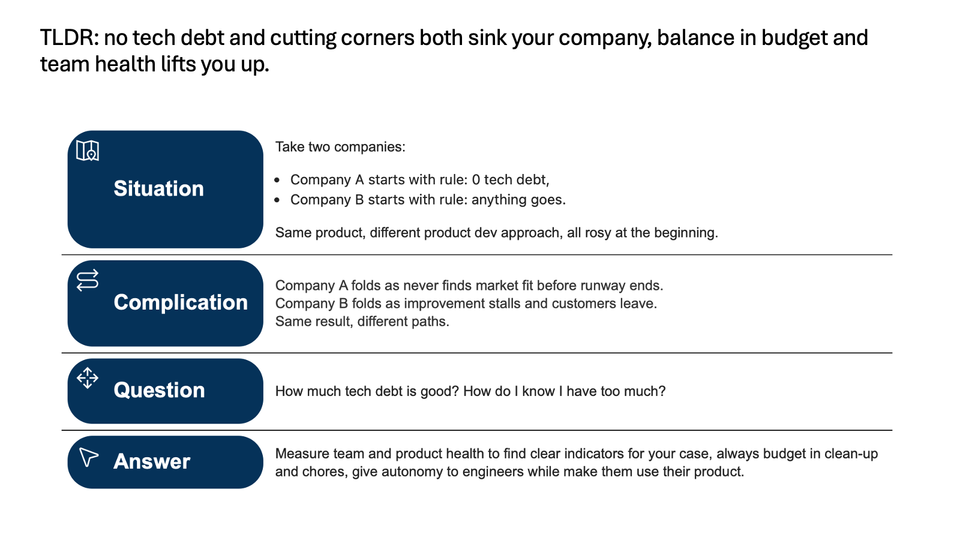
- Reduce: workload usually artificial. Deadlines is one thing, running out of budget or runway is another. Aim at what is really necessary. How you know what is? Communicate.
Creative experts, you need to read between the lines of your client’s communication. When they say they want something (the solution), knowing what they really wish for (the problem they want gone) is key to identify what actually needs to be worked on. This way everyone will be happy. Worker fulfilled as contribution mattered. Client satisfied as the problem was tackled.
How do you manage your workload? What did or did not work for you?